Navigating Cancer Journeys: Empowering Patients with Resources and Support
Navigating a cancer journey can feel like walking through a dense fog. You might be overwhelmed, uncertain, and searching for a guiding light. This is where the essential resources every patient needs come into play. Whether you're a newly diagnosed patient or a caregiver supporting a loved one, understanding the landscape of cancer information is crucial. From clinical trials to peer support groups, having the right tools at your disposal can transform your experience, making it less isolating and more empowering. So, what are the key resources that can help illuminate your path through the fog?
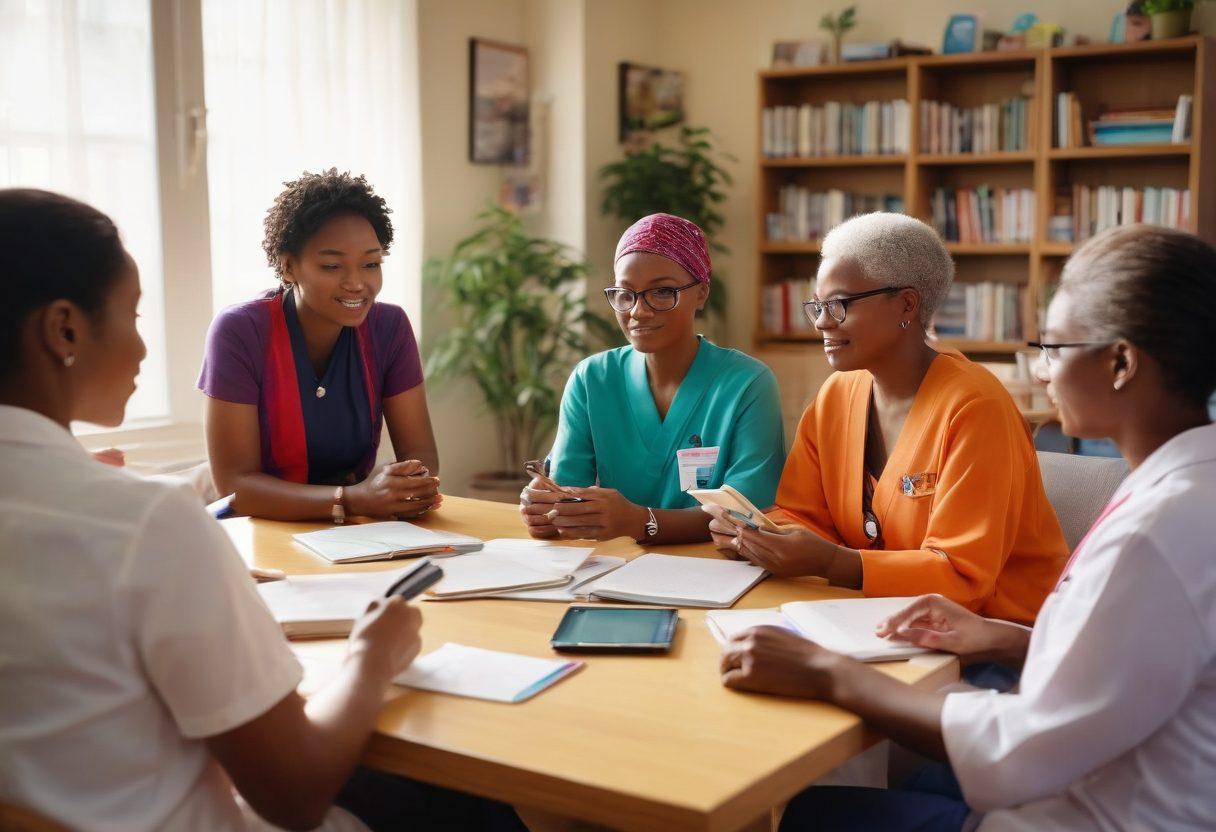
Imagine this: You are sitting in an oncology clinic, surrounded by patients, all of whom share similar fears and hopes. You might ask yourself, "How can I navigate this daunting journey?" The answer lies in knowing what resources are available to you. Cancer education is invaluable. A trusted oncology blog can offer a wealth of information on treatment options, emerging tumor research, and the latest insights from oncologists. Websites dedicated to health awareness often feature articles crafted by healthcare professionals, ensuring that you access credible cancer care information. Thus, the first step in your journey is to arm yourself with knowledge.
Another vital aspect of navigating your cancer journey is tapping into the cancer community. Support groups can be a lifeline, providing a space for patients to share their experiences, fears, and triumphs. As the saying goes, "Shared pain is lessened; shared joy is increased." Finding a support group can introduce you to others who understand what you’re going through, turning solitary struggles into collective triumphs. Whether face-to-face or online, these groups help foster connections that can provide emotional and practical support, which is essential for your mental health and wellbeing.
Yet, it is not just about emotional support; diet and cancer has emerged as a significant topic in survivorship stories. Several studies have illustrated that nutrition can play a crucial role in your recovery journey. Integrating a diverse diet filled with cancer-fighting foods can boost your overall health and wellness, making it easier to endure the rigors of treatment. So, let’s ask ourselves: What dietary changes can we implement for a healthier lifestyle during and after treatments? Engaging with nutritionists who specialize in cancer care can offer insights tailored to your needs, enhancing your cancer recovery process.
Finally, don’t underestimate the power of patient advocacy. Having a proactive mindset can make a world of difference in navigating clinical trials and treatment options. It's essential to ask questions, seek out reputable sources for cancer resources, and be your own advocate. In a world where health information is constantly changing, your voice matters. So gather your questions, connect with advocates who can empower you with relevant insights, and ensure you are equipped to tackle your individual cancer journey. Remember, every step informs your path toward recovery and wellness.
Empowerment Through Knowledge: Unlocking Patient Advocacy in Cancer Care
In the vast landscape of cancer care, knowledge isn’t just power—it's empowerment. Imagine standing at the edge of a great unknown, where every step could lead you closer to understanding your health or veer you off into confusion and fear. For patients navigating cancer journeys, unlocking patient advocacy through insightful cancer education can mean the difference between feeling lost and feeling equipped. This empowerment through knowledge serves as a beacon for the cancer community, illuminating paths to healthier choices and proactive patient involvement. After all, isn’t it our hope to shift the narrative from merely surviving cancer to thriving through it?
Picture this: Maria, a devoted mother of two, is suddenly faced with a breast cancer diagnosis. Initially overwhelmed, she finds solace in an oncology blog that not only shares her struggle but also highlights the importance of patient advocacy. As she learns about cancer resources and patient rights, she transforms from a passive patient into a fierce advocate for her treatment. This transition illustrates the profound impact of cancer information and educational resources available today. Maria's story is just one of many survivorship stories where the power of knowledge catalyzes change and inspires others to become informed participants in their cancer care. What valuable insights have you uncovered from your own journey?
So, how do we cultivate this empowerment through knowledge? It starts with understanding that cancer experiences are deeply personal yet universally shared. Engaging with support groups can bridge gaps in understanding by fostering a sense of camaraderie. When patients and caregivers share challenges and triumphs within the cancer community, they nurture a garden of resilience and hope. Imagine attending a wellness blog workshop where discussions about diet and cancer intersect with the latest tumor research findings—this is where empowerment grows. How have these connections influenced your approach to cancer recovery?
Awareness is one of the cornerstones of patient advocacy. Health and wellness begin with understanding the full spectrum of cancer care—from clinical trials and their innovative treatments to effective cancer prevention strategies. By keeping abreast of oncologist insights and emerging research, patients can engage in informed discussions with their healthcare providers. This knowledge not only positions patients as active participants but also paves the way for collaboration in decision-making processes. What questions have you always wanted to ask your oncologist?
Finally, the journey through cancer is rarely linear; it often follows winding paths filled with setbacks and victories. To navigate this labyrinth, patients can turn to a wealth of cancer resources that extend beyond medical assistance. From blogs dedicated to patient experiences to local workshops on mental health during cancer treatment, these resources can provide the shoulder we occasionally need to lean on. The cancer journey is not just about fighting the disease; it's about embracing the entire experience—what it teaches us about ourselves and our resilience. Let’s reflect together: how can you maximize the resources available to you and still foster your own advocacy in the process?
Building a Supportive Cancer Community: Stories of Resilience and Recovery
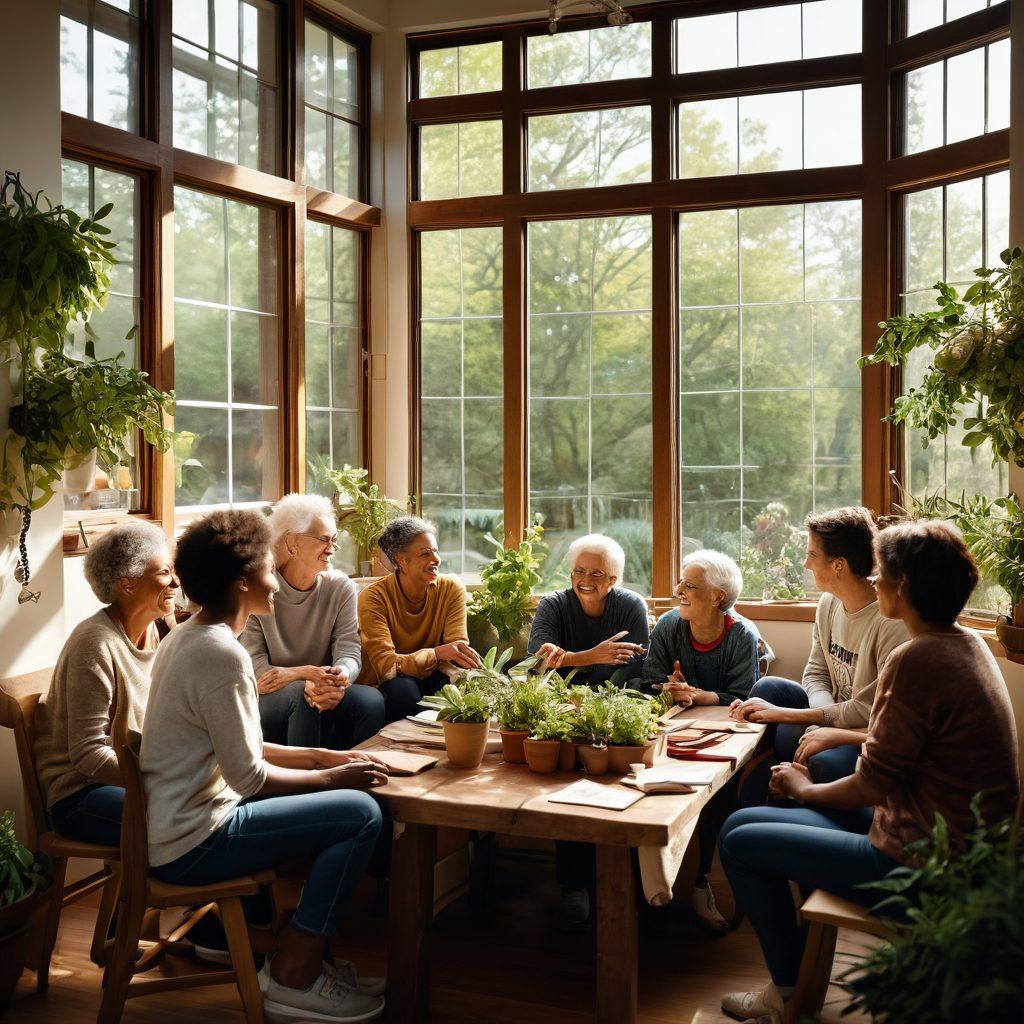
In the face of a cancer diagnosis, the journey can feel isolating and overwhelming. Yet, weaving a tapestry of connection through a supportive cancer community can enhance resilience and foster recovery. Picture this: a room filled with brave souls, each sharing their unique cancer experiences, where every story becomes a beacon of hope lighting the path for others. As the famous quote by C.S. Lewis reminds us, "Friendship is born at that moment when one person says to another, ‘What! You too? I thought I was the only one.’" This is the essence of a supportive cancer community: understanding, camaraderie, and shared knowledge.
Building a strong cancer community isn't just about support; it's also about education and awareness. Cancer information can sometimes feel like a maze with endless pathways and confusing terminologies. However, resources abound—such as oncology blogs and wellness blogs—that transform intimidating medical jargon into comprehensible insights. This is where the synergy of patient advocacy and cancer education comes into play. How can we better arm ourselves with knowledge surrounding diet and cancer, cancer prevention, and the latest advancements in tumor research? The answer often lies in connecting with others who have walked the same path, unlocking doors to vital insights and shared strategies for survival.
Speaking of storytelling, let’s shed light on the power of survivorship stories. These narratives reflect the tenacity of the human spirit and show that recovery is possible. Each story not only brings forth the triumphs but also the challenges faced along the cancer journey. For instance, consider the experience of Lisa, a breast cancer survivor who found her strength in a local support group. Her tale not only inspired others but also became a catalyst for health and wellness initiatives in her community. When was the last time you heard a story that moved you? Perhaps it's time to share your own journey and create an encouraging ripple effect in your community.
Support groups are often the heart of any cancer community. According to studies, patients who engage with support groups tend to experience better emotional well-being and even enhanced recovery. These groups provide a safe space to discuss fears, share coping strategies, and hold each other accountable for healthful living post-treatment. Social connections can significantly bolster mental health and embody the essence of healing. Imagine how powerful it could be to be surrounded by individuals who genuinely understand the nuances of your cancer experience! Wouldn't you feel empowered to take charge of your cancer care and advocate for your needs?
As we walk the road of cancer journeys together, it's imperative to remember that we are not alone. By embracing patient advocacy, sharing experiences, and educating ourselves and others, we build a resilient community ready to face the trials of cancer head-on. Let's commit to pouring out compassion, sharing resources, and elevating health awareness within our circles. After all, every step towards building a supportive cancer community strengthens not just individual warriors, but the entire collective effort against cancer. Together, we can cultivate hope and transform the narrative of what it means to navigate through cancer.